
Inheriting a house usually comes at a hard time. You’re grieving, sorting through a lifetime of belongings, and suddenly responsible for a property with its own bills, maintenance, and paperwork. If you’re trying to figure out how to sell an inherited house in Springfield, Ohio, you’re likely juggling questions about probate, taxes, family members, and what to do with everything inside.
This guide walks through the process step by step. Comfort Living has helped Springfield families sell inherited properties since 2013, and we’ve seen most of the situations heirs run into. We’re not attorneys, so we’ll point you to the right professionals where it matters.
Key Takeaways
- Most inherited houses in Ohio pass through probate unless the owner used a transfer-on-death designation, trust, or joint ownership.
- In Clark County, the Probate Court oversees the estate, and the executor or administrator typically handles the sale.
- Ohio has no estate or inheritance tax, and heirs usually receive a stepped-up tax basis.
- When siblings disagree, a quick cash sale can be the simplest way to divide the value fairly.
- You can sell an inherited house as-is, with belongings still inside, to a cash buyer.
Step 1: Figure Out How the House Is Passing to You
Before anyone can sell, you need to know who legally has the authority to do it. In Ohio, that usually depends on how the deceased owned the property:
- Transfer-on-death designation affidavit: The house passes directly to the named beneficiary without probate. The beneficiary records an affidavit with the county recorder.
- Joint ownership with survivorship rights: The surviving owner takes title automatically.
- Living trust: The successor trustee manages and sells the property under the trust’s terms.
- Owned in the deceased person’s name alone: The house generally goes through probate.
If you’re unsure, the deed itself will usually tell you. A probate attorney can review it quickly.
Step 2: Understand Probate in Clark County
When a house goes through probate, the Clark County Probate Court supervises the estate. The basic steps look like this:
- Open the estate. Someone files the will (if there is one) and applies to be appointed executor or administrator.
- Get appointed. The court issues letters of authority, giving that person legal power to act for the estate.
- Inventory assets and notify creditors. Ohio generally gives creditors six months from the date of death to present claims.
- Pay debts and expenses. This includes the mortgage, property taxes, utilities, and final bills.
- Distribute or sell property. The house either transfers to heirs or is sold, with proceeds divided under the will or Ohio law.
Smaller estates may qualify for a simpler process called release from administration. In Ohio, that’s generally available for estates up to $35,000, or $100,000 when everything goes to a surviving spouse.
For a deeper look at the court side, see our guide to selling a house in probate in Ohio.
Step 3: Decide Whether to Keep, Rent, or Sell
Not every heir wants to sell, and that’s fine. But be realistic about the costs of holding on. Even an empty house comes with:
- Property taxes and homeowners insurance
- Utilities to prevent frozen pipes and mold
- Lawn care, snow removal, and basic maintenance
- The risk of break-ins or vandalism when no one lives there
Many standard homeowners policies also limit coverage once a home has been vacant for a set period, often 60 days. Call the insurance company early to make sure the house stays protected.
If you live out of state or the house needs significant work, selling is often the most practical choice.
How to Sell an Inherited House in Springfield, Ohio, When Siblings Disagree
This is one of the most common and stressful parts of inheriting a house. One sibling wants to sell fast. Another wants to keep the family home. A third wants to fix it up first to get top dollar.
A few things can help:
- Get a clear valuation. Disagreements often come from different assumptions about what the house is worth. A written cash offer and a broker’s opinion give everyone real numbers.
- Talk about carrying costs. Who’s paying the taxes, insurance, and utilities while you decide? Those costs add up month after month.
- Consider a buyout. One heir can buy out the others’ shares at an agreed price.
- Choose speed and simplicity. A quick, as-is cash sale converts the house into money that can be divided exactly as the will or Ohio law directs.
If co-owners can’t agree at all, Ohio law allows any co-owner to ask a court to order a partition and sale. That process is slow and expensive, so most families try to avoid it. Our article on Ohio’s inheritance laws for real estate explains how ownership is divided when there’s no will.
Step 4: Handle the Belongings (or Don’t)
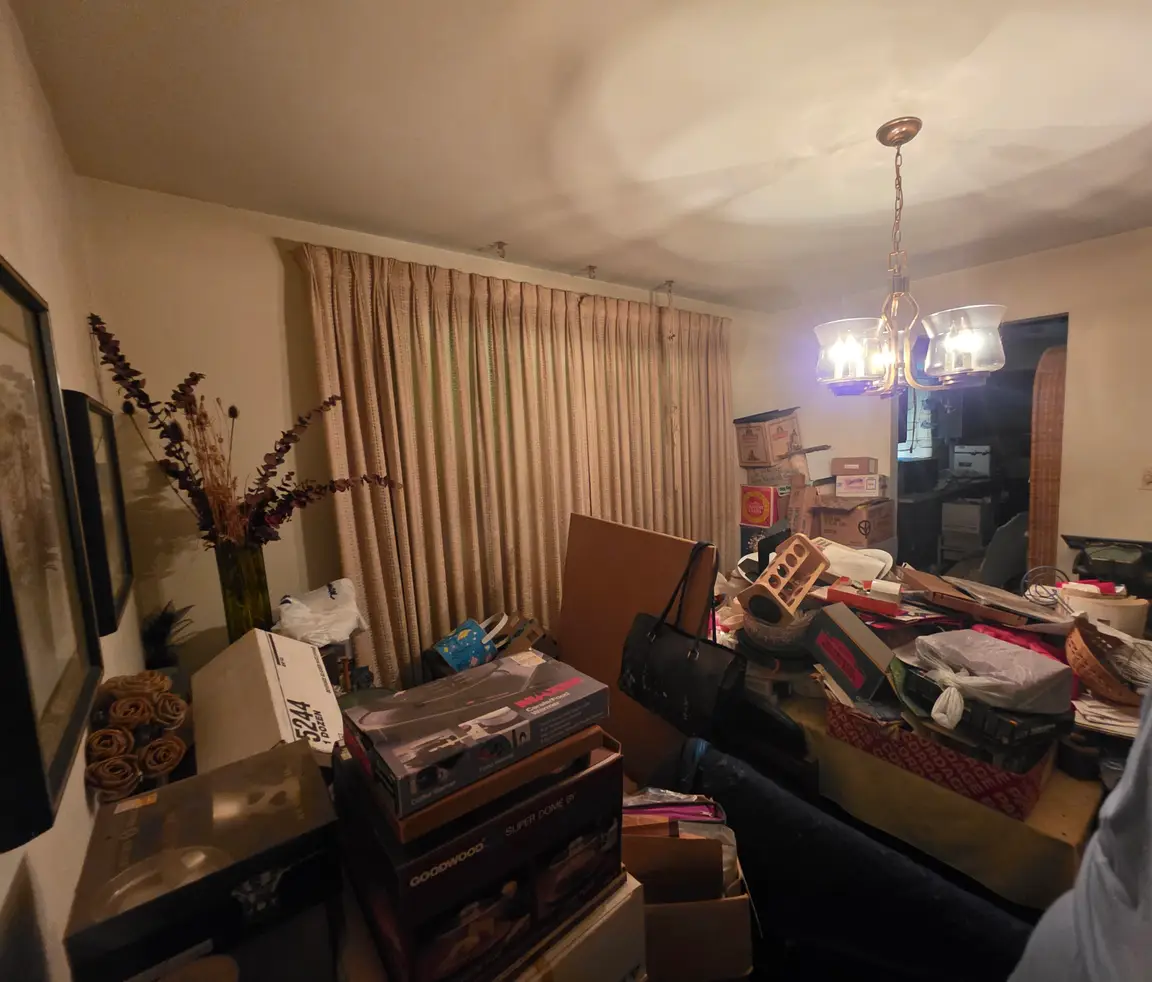
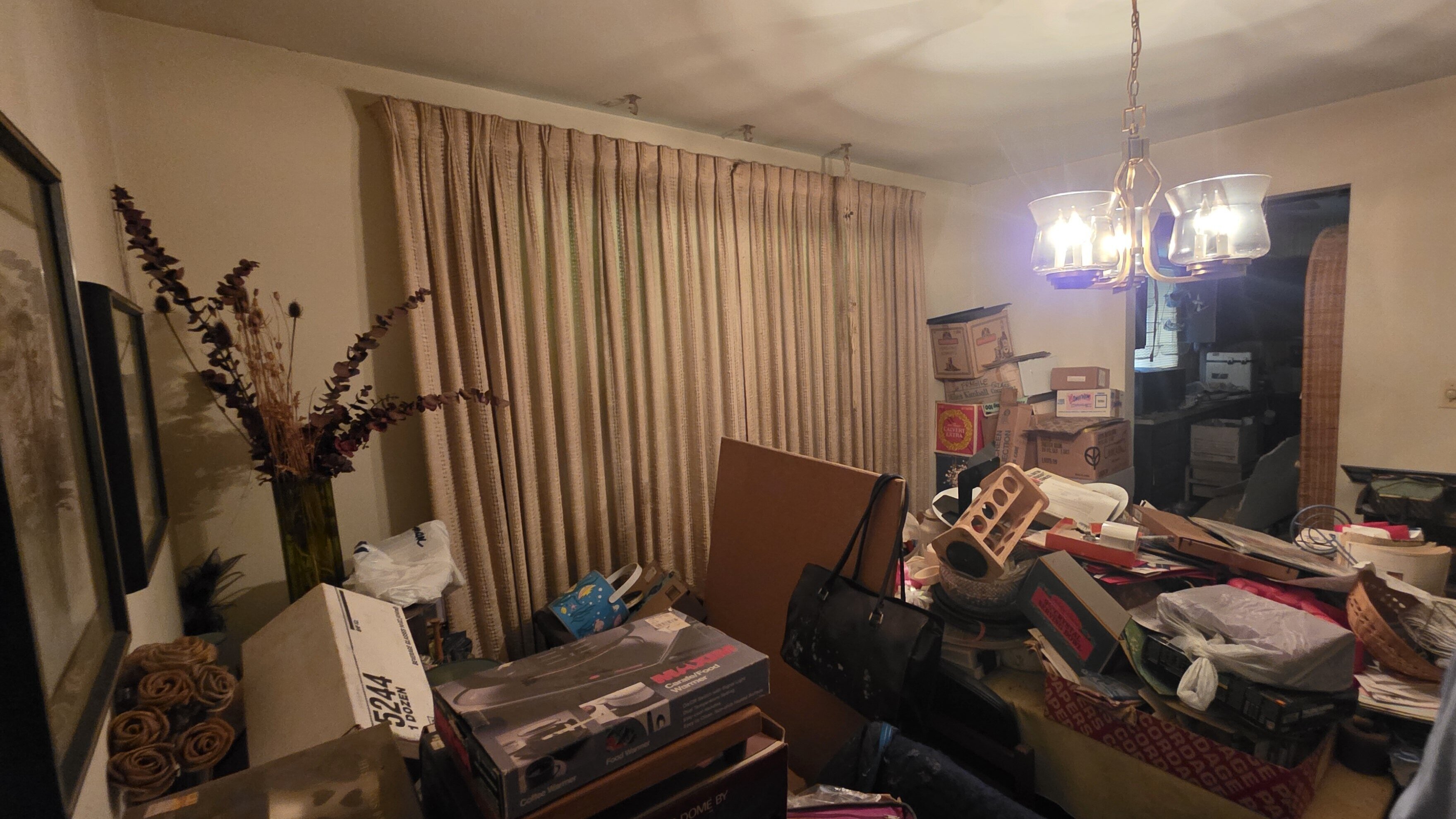
Clearing out a parent’s home can take months. Take what matters most to your family, like photos, heirlooms, and important papers. After that, you have options: an estate sale, donating, hiring a junk removal company, or selling the house with everything still inside.
When you sell to Comfort Living, you can leave behind whatever you don’t want. We’ll handle the cleanout after closing.
Step 5: Understand the Tax Picture
The good news is that Ohio repealed its estate tax for deaths on or after January 1, 2013, and Ohio doesn’t have an inheritance tax.
Federal capital gains tax is also often smaller than heirs expect. Inherited property usually gets a stepped-up basis, meaning its tax value resets to its fair market value on the date of death. If you sell soon after inheriting, there may be little or no gain to tax. Talk to a tax professional about your situation.
Why Many Springfield Heirs Choose a Cash Sale
Selling an inherited house as-is for cash can make sense when:
- The house needs updates that no one wants to pay for
- Heirs live in different cities or states
- The estate needs cash to pay debts or final expenses
- Family members want a clean, fair split without months of showings
Comfort Living buys inherited homes in any condition. We can work with the executor during probate and coordinate with your attorney and a local title company so the sale closes cleanly. In most cases, executors selling as part of estate administration are also exempt from Ohio’s seller disclosure form, which simplifies things further.
Frequently Asked Questions
Can I sell an inherited house before probate is finished?
Often, yes. Once an executor or administrator is appointed, they can usually sell with the court’s authorization or under the will’s power of sale. Your probate attorney can confirm.
Do I have to pay taxes when I sell an inherited house in Ohio?
Ohio has no inheritance tax. Federal capital gains are often minimal because of the stepped-up basis, but check with a tax advisor.
What if there’s still a mortgage on the house?
The mortgage is paid off from the sale proceeds at closing.
Do I need to clean out the house before selling?
Not if you sell to Comfort Living. Take what you want and leave the rest.
How quickly can you close on an inherited house?
Once the executor has authority to sell, we can close in as little as 7 days or on a date that works for the estate.
Let Us Take One Thing Off Your Plate
Settling an estate is hard enough. If you’ve inherited a house in Springfield and want a simple, respectful way to sell it, Comfort Living is here to help. We’ll walk you through your options, answer your questions, and give you a fair cash offer with no pressure.
Contact Comfort Living Buys Houses today to talk through selling your inherited Springfield home.