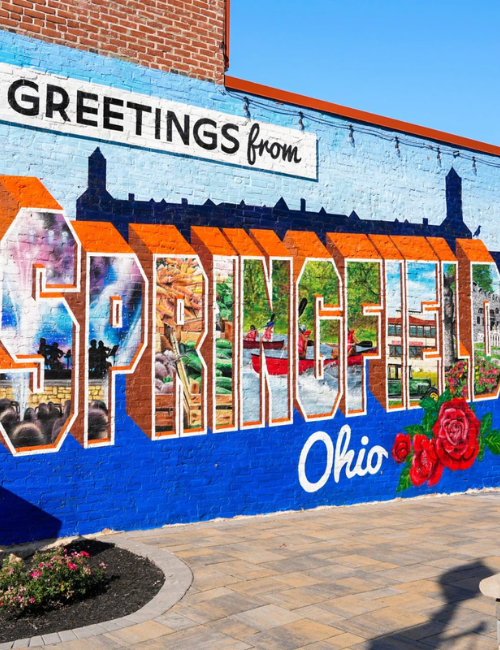
Springfield, Ohio, continues to grow, with new homes being built, businesses expanding, and living conditions continually improving. Due to these changes, the city is gaining a better reputation and attracting more people to live there than in the past. To support this growth, a wide range of homes is available, catering to every price point and lifestyle. Springfield offers a wide range of affordable homes, from small starter homes to larger, more spacious homes that are still more affordable than those in other Ohio cities.
When searching for the best neighborhoods in Springfield, most people should focus on safety, community atmosphere, and overall affordability. These qualities play an important role in determining which areas are ideal for families, young professionals, or anyone looking to relocate.
In this guide, we break down the top neighborhoods in Springfield, Ohio, and highlight the areas that may be less appealing. This information is used by a professional cash for houses company in Springfield, OH, to help homeowners make smarter housing decisions.
Get to Know Springfield, Ohio
Increasingly, people are considering a move to Springfield, Ohio, due to its affordable housing, convenient location, and low overall cost of living. Residents enjoy the comfort of a small city vibe while still having easy access to nearby larger cities, such as Dayton and Columbus. Many people commute during the week, then spend weekends enjoying the Springfield farmers market, parks, local festivals, and various community events.
The cost of living in Springfield is about 14% below the U.S average, making it an attractive option for families and individuals looking to stretch their budget. A family of four can expect to spend roughly $4,800 per month on basic necessities. Housing is one of Springfield’s biggest advantages. With a median home price of around $210,000, it is about 52% lower than the national average. This affordability is a major reason why many aspiring homeowners are choosing to live in Springfield.
Transportation in Springfield relies mostly on cars, as the city is not very walkable nor bike-friendly for everyday travel. However, there are some walking paths and biking trails available. However, these are more suited for recreation or short trips. Public transportation is also limited, with the Springfield City Area Transit (SCAT) system offering only basic service. It is a slower mode of transportation compared to driving a car.
Crime Rate in Springfield

Crime statistics are generally divided into two categories: property crimes, such as break-ins and vehicle thefts, and violent crimes, such as robberies and assaults. Springfield does have a higher crime rate compared to the state average and other Ohio cities. Residents face roughly a 1 in 83 chance of experiencing a violent crime and a 1 in 23 chance of experiencing a property crime.
Like any city, Springfield has areas that are much safer and others that newcomers may want to avoid. Choosing the right neighborhood becomes especially crucial for families or individuals who prioritize safety. A higher citywide crime rate does not mean that all parts of Springfield are dangerous. In reality, crime tends to be concentrated in specific pockets, while many neighborhoods remain quiet, stable and family-friendly.
It is still wise to stay aware of your surroundings. Secure your belongings and practice general safety habits. These precautions apply not only in Springfield but in any other city.
How to Choose the Right Neighborhood for You?
A neighborhood that checks every box for one person might not be practical for someone else. While everyone’s needs are different, here are a few core guidelines that can help narrow your choices and identify neighborhoods known for safety and convenience.
Neighborhood Safety
Gated communities with controlled entry or private security can be a good indicator of a safer neighborhood, as they limit access and reduce the likelihood of break-ins. Areas with an active HOA or neighborhood watch also demonstrate that residents are involved and committed to maintaining a safe community. If you choose a busier area, ensure your home has basic security features, such as proper locks, alarms, and visible cameras.
Location
Another major factor to consider is the location of the neighborhood. Especially in cities like Springfield, which are car-dependent, choosing an area closer to your workplace can save both time and money on gas.
A strong location also adds value to your home. Neighborhoods near schools, parks, grocery stores, and other amenities tend to stay in higher demand and support long-term value.
Home Values
Most neighborhoods offer a mix of home prices, providing buyers with a range of options that suit different budgets. Factors such as the property’s age, proximity to schools, and future development plans can impact both upfront costs and long-term value.
Do Your Research
In the end, the best way to know if a neighborhood is right for you is to do thorough research. Consult with local real estate agents, monitor recent news, and examine safety trends.
Best Neighborhoods In Springfield, OH
Unlike many cities where home prices sharply rise the closer you are to downtown, Springfield home values are more closely tied to property size, features, and overall build quality. Living near the city center, but not directly in the busiest areas, often offers the best balance. This allows for easy access to shops, restaurants, and events while maintaining a quieter, more residential feel with reduced foot traffic and a more relaxed atmosphere.
Best Neighborhoods Close To Downtown
1. Ridgewood

Ridgewood is one of Springfield’s most desirable neighborhoods near downtown. Home prices typically range from $200,000 to $600,000, offering a variety of options from charming single-family homes to larger upscale properties. Many houses in Ridgewood boast a historic character, combined with modern amenities, generous lot sizes, and premium finishes, which appeal to buyers seeking long-term value.
2. Glenn Terrace
Glenn Terrace is located closer to downtown than Ridgewood but tends to be more affordable. Home asking prices typically start at around $130,000 and can reach up to about $200,000, making it a strong option for first-time buyers or anyone seeking budget-friendly homes near the city center. Its proximity to Wittenberg University also makes it a convenient choice for students, staff, and young adults pursuing degrees.
Best Neighborhoods Further From The Action
1. Kingsgate Area
The Kingsgate area, which encompasses neighborhoods such as Kingsgate Commons, Meadows at Kingsgate, and Villas at Kingsgate, is renowned for its low crime rates, tranquil atmosphere, and spacious homes. It is a great choice for buyers seeking a quiet residential setting away from the city’s busiest areas.
Kingsgate Commons features higher-end homes, with properties typically starting around $300,000 and reaching up to $600,000. The neighborhood features a mix of modern buildings and well-maintained historic homes, all set in a serene environment with mature trees and attractive landscaping that appeals to nature lovers.
Meadows at Kingsgate and Northwood Lakes offer more affordable options, especially for those who prefer open-concept condos. Prices generally start around $250,000, making them appealing to buyers who want comfort without straining their budget. Northwood Lakes also offers a unique bonus, as some units overlook the golf course. Keep in mind that condo living usually comes with HOA fees, which in this area average around $230 per month.
2. Villa Run
Villa Run and Northwood Lakes are other great options within the same general area, particularly for buyers seeking something more budget-friendly. Home prices in Villa Run often start below $200,000, making it an appealing choice for first-time buyers, downsizers, or anyone hoping to stay close to amenities without overspending. The neighborhood offers a pleasant suburban feel with a good mixture of home styles and easy access to everyday necessities.
Worst neighborhoods in Springfield, OH
These neighborhoods tend to have higher crime rates and are generally considered less desirable for new residents. Springfield’s layout is more open and spread out rather than divided into many gated communities or clearly separated sections. On the bright side, it has a small atmosphere, but on the downside, a relatively safe neighborhood can sit right next to an area with more frequent crime or ongoing issues.
This makes it especially important to do your research before choosing where to live. Checking local news, speaking with real estate professionals, and visiting the area in person will give you a more accurate picture of what daily life is really like in each neighborhood.
1. City Center to Main Street area

If safety is your top priority, then living in Springfield’s city center and surrounding areas, such as Oak Park and Wardens Homestead, may not be the ideal choice. Crime data shows that downtown and main street areas experience higher crime rates than many residential neighborhoods. This is due primarily to the high volume of foot traffic, public places, and commercial activity that attract both locals and visitors throughout the day.
Despite these concerns, homes in this area still reflect Springfield’s historic architectural character. Property prices can be more affordable compared to other parts of the city, with some homes priced as low as $90,000. These lower prices may appeal to investors or buyers willing to trade safety and quiet for a more desirable location and lower costs.
2. E Northern Ave to N Murray St.
The E. Northern Ave./N. The Murray St. area is located just below Ridgewood and Glenn Terrace, two of Springfield’s more desirable neighborhoods. While its location offers proximity to these higher-rate areas, it does not share the same level of safety. Crime rates here are higher, in part due to its closer distance to the city center.
Home prices in this area typically start around $250,000, which can seem high considering the neighborhood’s crime levels. Buyers considering this area should carefully research specific blocks, visit at different times of day, and speak with local real estate agents before making a decision.
Final Thoughts: Best and Worst Neighborhoods in Springfield, Ohio
Finding a neighborhood that balances affordability, quality, safety, and convenience is crucial for selecting a home that supports both your lifestyle and financial goals. Like any other city, Springfield has both stronger and weaker areas; however, ongoing development and housing improvements are helping to shape a more positive outlook. Taking the time to visit the area in person and speak with local residents can provide valuable insight beyond what listings and statistics show. By conducting thorough research and trusting your observations, you can avoid costly mistakes and select a neighborhood that truly feels like home with confidence.
Want to sell your Ohio house faster?
At Comfort Living Buys Houses, we purchase homes as-is for cash. That means no repairs, no agent fees, and no waiting on buyer loan approvals–just a fast, hassle-free, and stress-free home sale.
We can even close the deal in as little as 7 days!
Contact us at (937) 915-3737 or complete the short form below to receive your no-obligation cash offer today.
Helpful Springfield Blog Articles
- Sell Your Water-damaged House In Springfield, OH
- Average Cost to Sell a House in Springfield, OH
- Understanding the Eviction Process Duration in Springfield, Ohio
- Springfield, OH, Community Map
- Fun Facts About Springfield, OH
- Springfield, OH Closing Cost Calculator
- Springfield, OH Capital Gains Tax Calculator
- Springfield, OH, Property Tax Rate
- Free Things to Do in Springfield, OH
- Is Springfield, OH, Safe?
- Cost of Living Explained in Springfield, Ohio
- Springfield, OH Property Managers
- Best and Worst Neighborhoods in Springfield, OH