
By Steven Solomon, Comfort Living Buys Houses
Published March 15, 2026. Last updated June 16, 2026
| Quick Answer Ohio homeowners with a fire-damaged property have three primary paths: (1) repair the home and list it traditionally for the highest price, (2) sell it as-is to a cash buyer or investor in 7 to 30 days at a discount, or (3) demolish the structure and sell the land. Ohio law (O.R.C. §5302.30) requires you to disclose any known fire or smoke damage on the Residential Property Disclosure Form regardless of which path you choose. The right path depends on the extent of the damage, your equity position, your insurance settlement, and your timeline. |
A fire is one of the most disorienting things that can happen to a homeowner. In the days and weeks that follow, you have insurance phone calls to make, paperwork to track, and decisions to make about a home that may no longer be safe to live in. Selling the property is rarely the first thing on your mind — but for many Ohio homeowners, it ends up being the cleanest path forward.
This guide walks through the three real options Ohio homeowners have for selling a fire-damaged house, the legal disclosure requirements under Ohio law, current 2026 repair cost data, and what to watch out for when choosing a cash buyer for a fire-damaged property.
If your fire was recent and you are still in the first 48 hours, skip down to Immediate Steps After a House Fire. If you have already stabilized the property and are deciding how to sell, start with Your Three Selling Options.
Immediate Steps After a House Fire
The first 48 hours after a fire matter for both your safety and your eventual sale. Even if you are planning to sell the property quickly, the actions you take in these first two days will affect your insurance settlement, your disclosure obligations, and the offers you receive from buyers.
1. Do Not Re-Enter Until Authorities Clear the Property
Fire departments and local building inspectors must clear the structure before you go back in. Fire-damaged homes have hidden dangers: weakened floor joists, compromised electrical systems, unstable ceilings, slippery soot residue, and toxic air. Once cleared, turn off utilities (water, gas, electricity) at the main shutoffs if you can do so safely. If you cannot, call the utility companies directly.
2. Secure the Property
Board up broken windows, secure damaged doors, and cover roof openings with tarps. Most insurance policies require homeowners to take reasonable steps to prevent additional damage after a loss event. Failing to do so can reduce your settlement. Many fire restoration companies offer same-day board-up and tarping services that your insurance will typically cover.
3. Contact Your Insurance Company Within 24 Hours
Almost every homeowner policy requires prompt notification of a loss. Most companies want notice within 24 hours. When you call, ask these specific questions:
- What does my policy cover for repairs, rebuilding, and personal property?
- Will I receive a cash settlement upfront, or reimbursement after repairs?
- Does my coverage include temporary housing (additional living expenses)?
- How will depreciation affect my final payout?
- Do I have replacement cost coverage or actual cash value coverage?
Request a copy of your full policy if you do not have one on hand. Keep every email, letter, and adjuster contact in writing — verbal promises from insurance representatives are almost never honored later.
4. Document Everything
Before any cleanup begins, photograph and video every damaged area. Take wide shots of each room and close-ups of damage to walls, floors, ceilings, fixtures, and any visible structural elements. Make a written inventory of damaged personal property with descriptions, ages, and estimated replacement values. Include receipts where possible.
This documentation serves three purposes: it supports your insurance claim, it satisfies your Ohio disclosure obligations to future buyers, and it helps any cash buyer make an accurate offer without lowballing you out of caution.
5. Get an Independent Damage Assessment
The fire department’s post-fire walkthrough confirms the property is no longer actively dangerous — it does not tell you what the home is worth or what the repairs will cost. For that, you need an independent damage assessment from a licensed structural engineer, a fire restoration specialist, or a qualified home inspector. This assessment will reveal damage that smoke and heat caused behind walls, in HVAC systems, in electrical wiring, and in structural elements that look fine to an untrained eye.
Your Three Selling Options for a Fire-Damaged Ohio Home
Every fire-damaged property sale in Ohio falls into one of three categories. The right one for you depends on five variables: the extent of the damage, your remaining equity in the property, your insurance settlement, your timeline, and how much complexity you are willing to manage.
Option 1: Repair the Home and Sell on the Traditional Market
Repairing the property and listing it through a real estate agent gets you the highest possible sale price. It also attracts the broadest pool of buyers — including those who need traditional mortgage financing, which is essentially unavailable for homes with visible fire damage.
This is the right option if your fire was relatively minor (cosmetic damage or limited to a single room), you have the cash to fund repairs upfront, you have time to manage a 3 to 9 month restoration and sale process, and you have either a substantial insurance settlement or significant equity in the home to fund the work.
What this option actually involves:
- Hiring a licensed fire restoration contractor (most insurance policies will require this)
- Pulling all required building permits in your Ohio city or county for structural, electrical, plumbing, and HVAC work
- Coordinating with your insurance adjuster throughout the project
- Passing all required post-repair inspections
- Then listing the home, managing showings, negotiating offers, and going through inspection contingencies
- Disclosing the fire history regardless of how thorough the restoration was (more on this below)
Best for:
Homeowners with cash reserves or strong insurance coverage, minor-to-moderate damage, and the bandwidth to manage a multi-month process.
Option 2: Sell As-Is to a Cash Buyer or Investor
Selling as-is to a cash buyer eliminates the repair work, the contractor coordination, the permit process, and the 3 to 9 month traditional sale timeline. A reputable cash buyer can close on a fire-damaged Ohio home in 7 to 30 days, take the property in its current condition, and let you keep the full insurance settlement to use as you choose.
The tradeoff is straightforward: the offer will come in below what the home would sell for if fully restored. Most cash buyer offers on fire-damaged property fall 20 to 40 percent below estimated post-repair value, depending on the damage severity and the buyer’s rehab cost projections.
What this option actually involves:
- Requesting an offer from one or more cash buyers (always get at least three)
- Sharing your insurance settlement information, any independent assessment you have, and clear photos of the damage
- Reviewing the written offer, which should clearly state the purchase price, the closing timeline, and which costs the buyer will absorb
- Closing through a title company in 7 to 30 days
- Disclosing the fire history on the Ohio Residential Property Disclosure Form (still required)
Best for:
Homeowners who need to sell quickly, do not have cash for repairs, are managing the property from a distance, or simply do not want to spend the next 6 months coordinating contractors.
Option 3: Demolish the Structure and Sell the Land
When fire damage is severe enough that repair costs would exceed the home’s post-repair value, selling the land alone often makes the most financial sense. This path attracts developers, builders, and investors who want a buildable lot in your area rather than the existing structure.
Demolition costs in Ohio typically run between $4 and $15 per square foot, depending on the structure size, materials, location, and whether asbestos or lead remediation is required. A 1,500 square foot single-story home generally costs between $6,000 and $22,500 to demolish and haul away. To calculate land value, identify recent comparable lot sales in your immediate area and subtract the demolition cost.
Best for:
Properties with severe structural damage, homes in desirable Ohio neighborhoods where the land value alone is meaningful, and situations where repair would cost more than the finished property is worth. The sale process typically takes 60 to 120 days.
Side-by-Side Comparison of Your Three Options
| Factor | Repair & List Traditionally | Sell As-Is to Cash Buyer | Demolish & Sell Land |
|---|---|---|---|
| Timeline | 3 to 9 months | 7 to 30 days | 60 to 120 days |
| Out-of-pocket cost | $3,000 to $52,000+ for repairs | None | $6,000 to $22,500+ for demolition |
| Sale price relative to fully restored | 100% (full market value) | 60% to 80% of restored value | Land value minus demolition cost |
| Buyer pool | All buyer types (including financed) | Cash investors only | Developers and builders |
| Permits and contractor coordination | Required, extensive | Buyer handles after closing | Required for demolition |
| Insurance settlement | Used to fund repairs | Kept by seller | Kept by seller |
Ohio Legal and Disclosure Requirements for Fire-Damaged Property
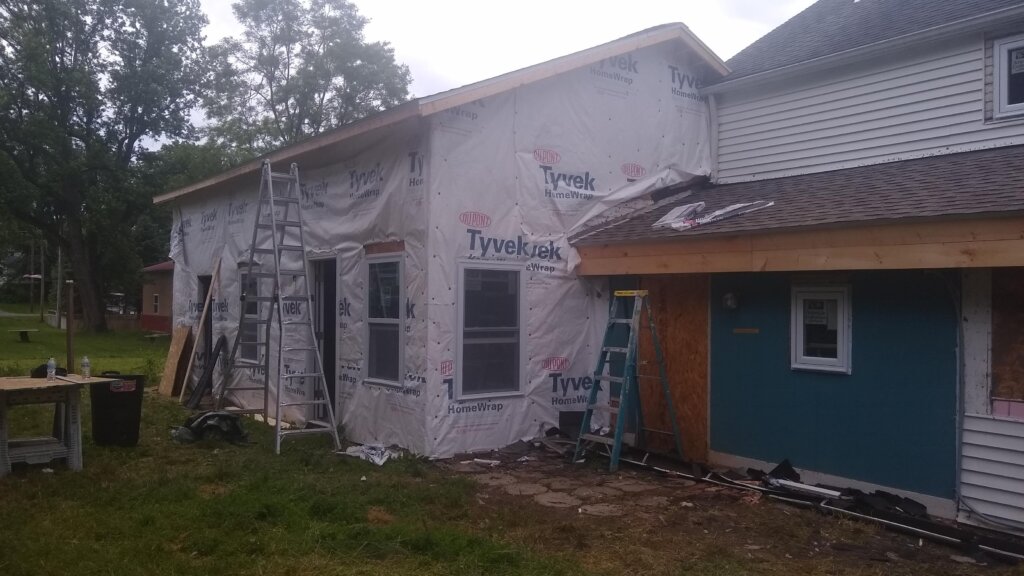
Selling a fire-damaged home in Ohio is legal in any condition — but the state has specific disclosure obligations that apply regardless of which selling path you choose. Failing to meet these obligations can expose you to fraud claims, rescission of the sale, and double damages if the failure is found to be intentional.
Ohio Revised Code §5302.30: The Residential Property Disclosure Form
Under Ohio Revised Code §5302.30, any seller of a residential property containing one to four dwelling units must complete and provide the Residential Property Disclosure Form (RPDF) to potential buyers. The form is created by the Ohio Department of Commerce and is updated periodically.
The form specifically asks: “Do you know of any previous or current fire or smoke damage to the property?” If your answer is yes — which it almost certainly is if you experienced any fire event — you are legally required to mark “yes” and describe the damage and any repairs made.
What “As-Is” Does Not Do
A common misconception is that selling a property “as-is” releases the seller from disclosure obligations. Ohio courts have consistently held that this is not the case. An “as-is” clause does not protect a seller who knowingly conceals a material defect, including fire damage. If you knew about fire damage and failed to disclose it, you can be held liable even if the buyer signed an “as-is” contract.
When Disclosure Must Happen
You are required to provide the completed disclosure form to potential buyers before they sign a purchase contract. If you fail to deliver the form before the contract is signed, Ohio law (O.R.C. §5302.30(K)) gives the buyer the right to rescind the contract.
What Happens If You Do Not Disclose
Ohio sellers who knowingly fail to disclose material defects, including fire damage, can be sued by the buyer after closing. Potential consequences include:
- Financial damages equal to the cost of repairs or the loss in property value
- Double damages if the failure to disclose is found to be intentional fraud
- Rescission of the sale, which unwinds the transaction entirely
- Liability for the buyer’s attorney fees in some cases
| A Note from Steven I have been buying fire-damaged Ohio homes for years. The single best protection you have as a seller is full, written disclosure of what you know — even when the damage feels embarrassing or extensive. Every legitimate cash buyer expects fire damage on a fire-damaged home. Disclosing it does not hurt your sale; concealing it can unwind it years later. |
Permits and Documentation If You Repair Before Selling
If you choose Option 1 (repair and list), every repair must be permitted and inspected according to local Ohio building code. Buyers, their lenders, and their inspectors will look for evidence that the work was done by licensed professionals and approved by the local building authority. Keep every document you receive:
- Clearance certificates from the local fire department and building inspector
- Contractor work orders, invoices, and insurance certificates
- Building permits and post-repair inspection results
- Itemized materials lists used in restoration
- Repair timeline documentation
- Insurance claim documentation with claim numbers
Current 2026 Fire Damage Repair Cost Data
Repair cost estimates vary dramatically depending on the severity of the fire, the square footage affected, the materials involved, and your location. Based on current 2026 data from HomeAdvisor, Angi, and HomeGuide, here is what Ohio homeowners can expect:
Total Restoration Cost Ranges
| Damage Level | Typical Cost Range | What It Includes |
|---|---|---|
| Minor (small kitchen or single-room fire) | $800 to $7,000 | Smoke removal, light structural repairs, cleaning |
| Moderate (multi-room damage) | $10,000 to $30,000 | Major drywall, HVAC cleaning, partial reconstruction |
| Severe (extensive structural damage) | $30,000 to $100,000+ | Major reconstruction, full HVAC replacement, total interior replacement |
| Catastrophic (full rebuild) | $100,000 to $180,000+ | Often more cost-effective to demolish and rebuild |
The national average fire and smoke remediation cost in 2026 is $27,175, with most projects falling in the $3,107 to $51,243 range according to HomeAdvisor. Structural damage repair alone can add $15,000 to $25,000 per affected room.
Why Repair Costs Often Exceed the Insurance Settlement
One of the most common surprises Ohio homeowners face after a fire: their insurance settlement does not fully cover the cost of restoration. This usually happens for one of three reasons:
- The policy paid actual cash value (depreciated) rather than replacement cost
- Hidden damage was not discovered until contractors began work
- Building codes have changed since the home was built, requiring upgrades the original construction did not need
This gap is one of the most common reasons Ohio sellers shift from Option 1 (repair and list) to Option 2 (sell as-is) partway through the process. If you are facing this gap right now, you are not alone — it is a normal outcome, not a personal failure.
What to Look For (and Watch Out For) When Choosing a Cash Buyer
Most cash buyers who advertise that they purchase fire-damaged homes are legitimate. A small number are predatory. Here is how to tell the difference.
Five Questions Every Cash Buyer Should Be Able to Answer
- How many fire-damaged Ohio homes have you purchased in the past 12 months?
- Can you provide references from previous sellers in similar situations?
- Can you show proof of funds before we sign a contract?
- Which Ohio title company or closing attorney will we use?
- Will every detail of the offer — purchase price, closing date, what you handle versus what I handle — be in writing in the contract?
Legitimate operators answer all five without hesitation. If a buyer hesitates, dodges, or pressures you to skip these questions, walk away.
Red Flags to Watch For
- Pressure to sign a contract on the spot, before you have time to review or consult an attorney
- Any request for upfront fees, application fees, or “good faith” deposits paid to the buyer
- Requests to transfer the deed before you receive payment (this is one of the most common scam patterns)
- Refusal to use your chosen title company or closing attorney
- Inability or unwillingness to provide proof of funds
- Offers that come in dramatically higher than competing offers (often a bait-and-switch tactic where the offer gets reduced after you sign)
Get Multiple Offers
Always get written offers from at least three cash buyers before accepting any of them. Different buyers use different formulas, have different rehab cost assumptions, and operate at different profit margins. It is not unusual to see offers on the same fire-damaged property vary by 15 to 25 percent across reputable buyers.
Frequently Asked Questions
Can I sell a fire-damaged house in Ohio without making repairs?
Yes. Ohio law does not require sellers to repair fire damage before selling. You can sell the property as-is to a cash buyer, an investor, a developer, or anyone else willing to purchase it in its current condition. The only legal requirement is full disclosure of the fire damage on the Ohio Residential Property Disclosure Form under O.R.C. §5302.30.
Do I have to disclose a fire on the Ohio Residential Property Disclosure Form?
Yes. The Ohio Residential Property Disclosure Form specifically asks whether the seller knows of any previous or current fire or smoke damage. If you know about a fire — regardless of whether repairs were made — you must disclose it. Failing to do so can expose you to fraud claims, double damages, and rescission of the sale even after closing.
How long does it take to sell a fire-damaged house in Ohio?
The timeline depends on the path you choose. A traditional sale after full repairs typically takes 3 to 9 months from fire to closing. An as-is sale to a cash buyer typically closes in 7 to 30 days. A land sale after demolition typically takes 60 to 120 days. The fastest path is usually a cash sale, especially if the buyer specializes in fire-damaged property.
Can I keep my insurance settlement if I sell the house as-is?
In most cases, yes — but it depends on your specific policy and your mortgage situation. If you have already received the settlement and the home is paid off, the funds are generally yours to keep even if you sell the property as-is for cash. If you have an active mortgage, the lender may have rights to a portion of the settlement. Review your policy carefully and consult with your insurance agent before assuming the settlement is fully yours.
Will mortgage buyers be able to purchase my fire-damaged house?
Almost never. Traditional mortgage lenders will not finance a home with visible fire damage because the property does not meet their habitability and safety requirements. This is the primary reason fire-damaged homes sell to cash buyers and investors rather than traditional buyers. Some specialized rehab loan programs (FHA 203(k), Fannie Mae HomeStyle) allow financed buyers to purchase damaged homes, but these are rare and slow.
What if my insurance settlement is less than my repair estimate?
This is one of the most common situations Ohio homeowners face after a fire. You have several options: (1) negotiate with your insurance company by submitting independent contractor estimates that show the higher cost, (2) pay the difference out of pocket, (3) take out a renovation loan or HELOC to cover the gap, or (4) shift to an as-is sale, keep the insurance settlement, and let a cash buyer absorb the repair costs. Many homeowners ultimately choose option 4 because it is the cleanest path.
Do I need a lawyer to sell a fire-damaged house?
You are not legally required to hire an attorney to sell a fire-damaged house in Ohio, but it can be worth the cost in three situations: (1) the damage is severe and the financial stakes are high, (2) you have any concerns about your disclosure obligations or whether something you did or did not do could expose you to liability, or (3) you have received a complex offer that you do not fully understand. The Ohio State Bar Association offers a lawyer referral service that can connect you with attorneys who handle real estate transactions.
Does Comfort Living buy fire-damaged homes in Ohio?
Yes. Comfort Living Buys Houses regularly purchases fire-damaged Ohio homes in any condition — from minor smoke damage to severe structural loss. We handle the full restoration after closing, take the property as-is, and let you keep your insurance settlement. If you are considering an as-is sale of a fire-damaged property anywhere in Ohio, we are happy to provide a no-obligation cash offer.
When to Bring in a Professional
This guide covers the most common paths Ohio homeowners take with fire-damaged property, but every situation is different. Specific scenarios where you should consult a professional rather than navigating alone:
An Ohio real estate attorney — if your insurance company is denying or significantly reducing your claim, if the fire damage is severe enough that liability questions could arise, or if you receive an offer with terms you do not fully understand. The Ohio State Bar Association lawyer referral service can connect you with qualified attorneys.
A public insurance adjuster — if your insurance settlement appears low or your insurance company is making the claim process difficult. Public adjusters work for you (not the insurance company) to maximize your settlement, typically taking a percentage of the increase they negotiate. The National Association of Public Insurance Adjusters maintains a directory of licensed professionals.
A licensed Ohio fire restoration contractor — if you are seriously considering repair and need an accurate cost estimate. Get bids from at least three IICRC-certified restoration firms before committing to any path.
A reputable cash home buyer — if your timeline is short, your insurance settlement is limited, or you simply want to know what a fast, no-repairs offer would look like before committing to a longer path.
About Steven Solomon and Comfort Living Buys Houses
Steven Solomon is the founder of Comfort Living Buys Houses, a real estate solutions firm based in Springfield, Ohio. Comfort Living specializes in helping Ohio homeowners exit difficult or time-sensitive property situations, including fire-damaged property, inherited homes, properties with tax liens, and homes in difficult condition.
Connect with Steven on LinkedIn or visit the Comfort Living Google Business profile.
Ready to Talk Through Your Situation?
If you are dealing with a fire-damaged Ohio home and want to talk through your options — including what a cash offer might look like — Comfort Living is happy to have a no-pressure conversation. We will tell you honestly whether a cash sale is the right fit for your situation, even if the answer is no.
Call Steven Solomon directly at (937) 915-3737 or request a no-obligation cash offer online. There is no commitment, no fees, and no pressure for the conversation.
Read more on selling distressed Ohio property → | Learn how Comfort Living buys houses →
This article provides general information about Ohio fire-damaged property sales and is not legal, tax, or insurance advice. For advice specific to your situation, consult a licensed Ohio attorney, certified public accountant, or licensed insurance professional.